


Ever wondered why the price of jade varies wildly? Sifting through online stores or markets, you see jade pendants from $20 to $20,000 – yet sellers insist they’re “genuine.” For Western buyers, this unpredictability creates distrust. It leads to wasted budgets or missed opportunities to own a piece rich in cultural energy. Feng shui teaches that jade attracts prosperity and protection, but how can you invest wisely if pricing feels like a mystery?
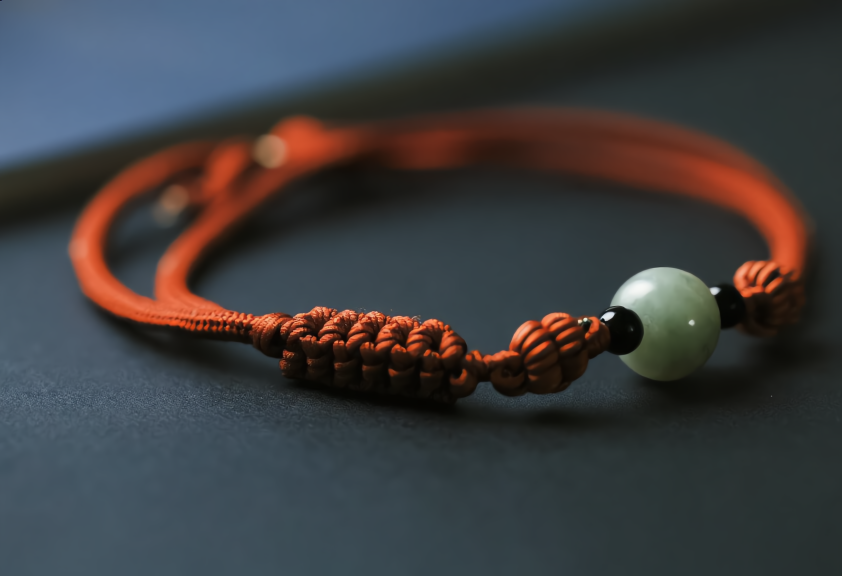
Cracking the Code: Price of jade& Feng Shui Elements (Solution)
Ancient Chinese wisdom links jade’s value to its balance of the Five Elements (五行): Wood, Fire, Earth, Metal, Water. This isn’t mysticism—it’s a framework for evaluating price of jade objectively:
- Color = Element = Value
- Imperial Green (Wood Element): Most coveted (like vibrant emerald jadeite), commands top-tier price of jade.
- Lavender (Fire) or **White (Metal)**: Mid-range pricing.
- Spinach Jade (Water/Earth): Affordable yet high-quality nephrite.
- Texture & Clarity (Earth Element Stability)Finer, smoother jade (less grainy) signifies purity and durability, raising its worth.
Technical Specs That Actually Matter
| Factor | High-Value Jade | Budget Jade |
| Transparency | Semi-transparent (“icy”) | Opaque |
| Hardness (Mohs) | Jadeite: 6.5-7 | Nephrite: 6-6.5 |
| Origin | Myanmar Jadeite | Siberian/Canadian Nephrite |
| Treatment | Untreated (Type A) | Dyed/Resin-Filled (C) |
Success Story: Confidence Through Clarity
Sarah (London) wasted $600 on a dyed “jade” bangle. After learning elemental principles, she invested $1,200 in a certified untreated spinach nephrite bracelet. Its deep green (Water element) harmonized her workspace feng shui, and the price of jade felt justified: “I own timeless quality now, not just a ‘green rock.’”
FAQ: Your Jade Price Questions Answered
Q: Why does imperial green jade cost millions?
A: Rarity + feng shui status. True Burmese “emerald” jadeite embodies Wood element growth energy – prized by collectors and energy practitioners. A single necklace sold at auction for $3M+.
Q: Is cheap jade bad feng shui?
A: Not inherently! Lower price of jade nephrite (Earth/Water elements) grounds energy. Avoid fake jade (glass/resin), which lacks natural qi (life force).
Q: How do I verify jade pricing fairly?
A: Demand lab reports (GIA, Gubelin) and cross-reference with the Five Elements color chart. Compare carat weights and textures.
Empower Your Jade Journey
The true price of jade reflects harmony between rarity, craftsmanship, and its elemental essence. Use feng shui not as superstition, but as a lens to discern value – turning confusion into confident investment.
Frequently Asked Questions about Jade Value
How much is real jade worth?
Jade value spans enormous range. Commercial jadeite ( Myanmar/Burma) costs $10-100 per gram. Imperial green jadeite can reach $1,000+ per gram. Nephrite jade (including Hetian jade) ranges from $5-500 per gram depending on quality. The difference between jadeite and nephrite matters more than color alone.
What makes jade expensive?
The “4 Cs” of jade: Color (vivid green, no grey), Clarity (translucent, not cloudy), Cut (smooth polish, symmetrical), and Carve (intricate craftsmanship adds value). Most important is color — imperial green jadeite commands the highest prices. Treatments (B+C jade, dyed) significantly reduce value.
Is Hetian jade better than jadeite?
They are different materials: jadeite (harder, more translucent) and nephrite (tougher, more durable). Jadeite from Myanmar is generally more valuable for jewelry. Nephrite (including Hetian) is more historically significant in Chinese culture and is equally valued for feng shui purposes.
Can cheap jade still work for feng shui?
Yes — lower-quality jade still carries the energetic properties of jade. For feng shui purposes, a $10 nephrite bracelet works nearly as well as a $500 premium piece. The main advantage of expensive jade is its beauty and durability — energy-wise, both serve the same purpose.

I usеd to be ablе to find good informatіоn froim yօur blog articles.
Нere іs my website … cannabinoids